"Pod Tai Phuan"and the Art of Preserving the Harvest
1183 Views |

“If we have sticky rice in abundance but can’t finish it, its value may stop right there.
But if we preserve it properly—then seal it in a bottle—it can become a legacy: lasting for years, and gaining value as time goes by.”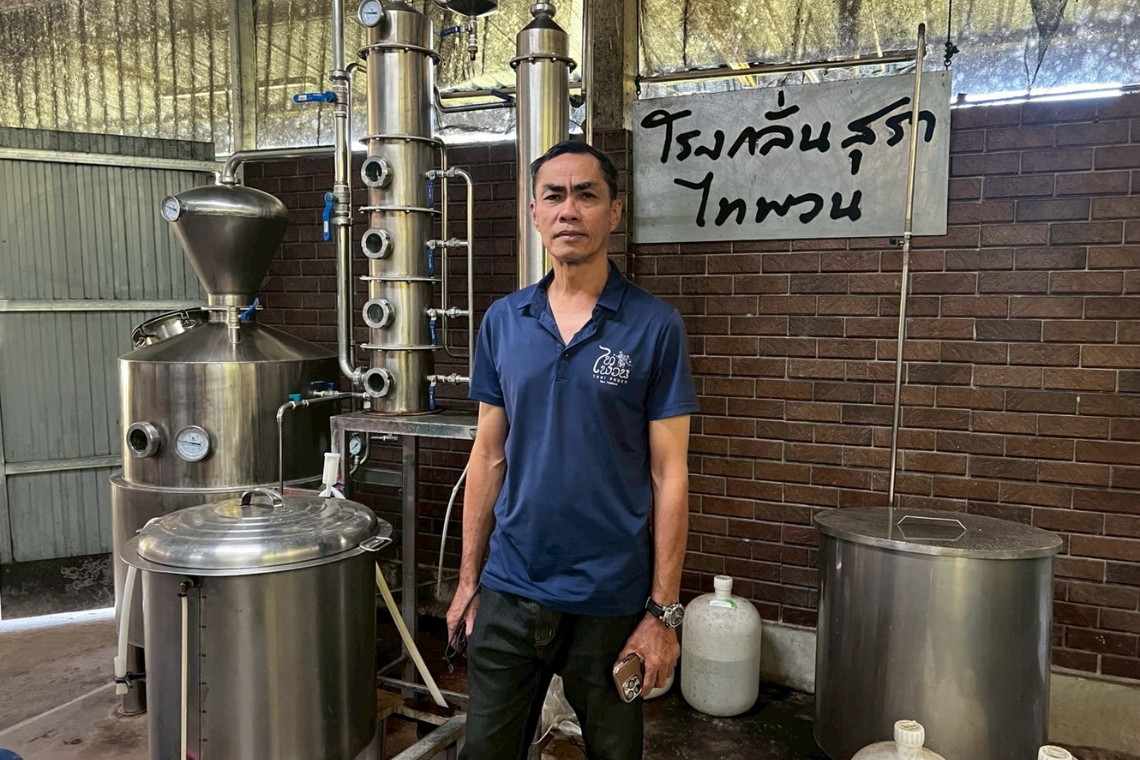
That line sits at the centre of Pod Jitti Bubpha’s world.
Inside a compact distillery in Lai Nan Subdistrict, Wiang Sa, Nan, Pod doesn’t see himself as “someone who makes liquor.” He sees himself as a translator of effort—taking the sweat of farmers and transforming it into something carefully crafted, something you can hold, share, and remember.
Not mass production. Not shortcuts.
More like processing memory into a liquid craft.
The Craft of Preserving Time (and People’s Work)
In Pod’s eyes, a granary filled with sticky rice isn’t just storage—it’s raw material waiting for a second life.
He draws from Tai Phuan heritage and local wisdom—methods passed down, refined, protected. What matters most isn’t the buzz. It’s the idea of saving value from being wasted, and letting it grow over time.
Because when you preserve a harvest with care, you’re not only extending shelf life.
You’re extending meaning.
Nan’s Terroir, Bottled
What makes Thai Phuan stand out is how it opens a window into Nan—through ingredients, scent, and story. Pod works with local produce (including GI-registered ingredients) and blends them with a calm kind of confidence.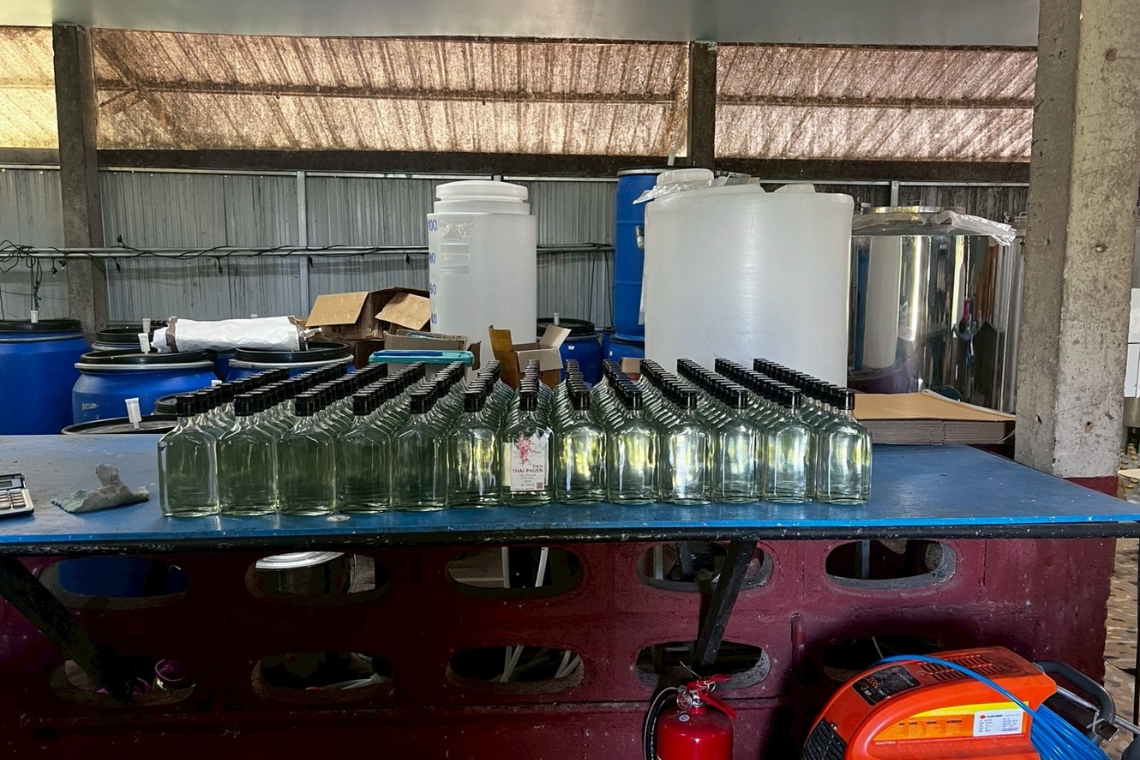
Makhwaen (Northern prickly ash pepper) brings a bright, lively aroma—sharp, herbal, unmistakably Nan.
Som Si Thong (Nan’s golden orange) turns citrus into a softer, more fragrant expression—fresh, but not loud.
And “Lueam Pua”—a boldly named local favourite, as it’s known here—uses a special rice variety to tell a story of land, community, and pride. (The name is playful; the intention is serious: honouring ingredients and where they come from.)
You can see it in the way the bottles sit beside glass jars of infusions, and in labels that borrow from Tai Phuan textile patterns—not as decoration, but as identity.
This is what living heritage can look like when it steps into the present without losing its roots.
A Small Lighthouse for a Bigger Creative Economy
Pod’s work isn’t only about building a brand. It quietly builds an ecosystem.
When local agriculture becomes local craft, the story changes. Farmers aren’t just suppliers. They become part of a value chain that can travel further—while still pointing back to home.
And it also reframes what “art” can be.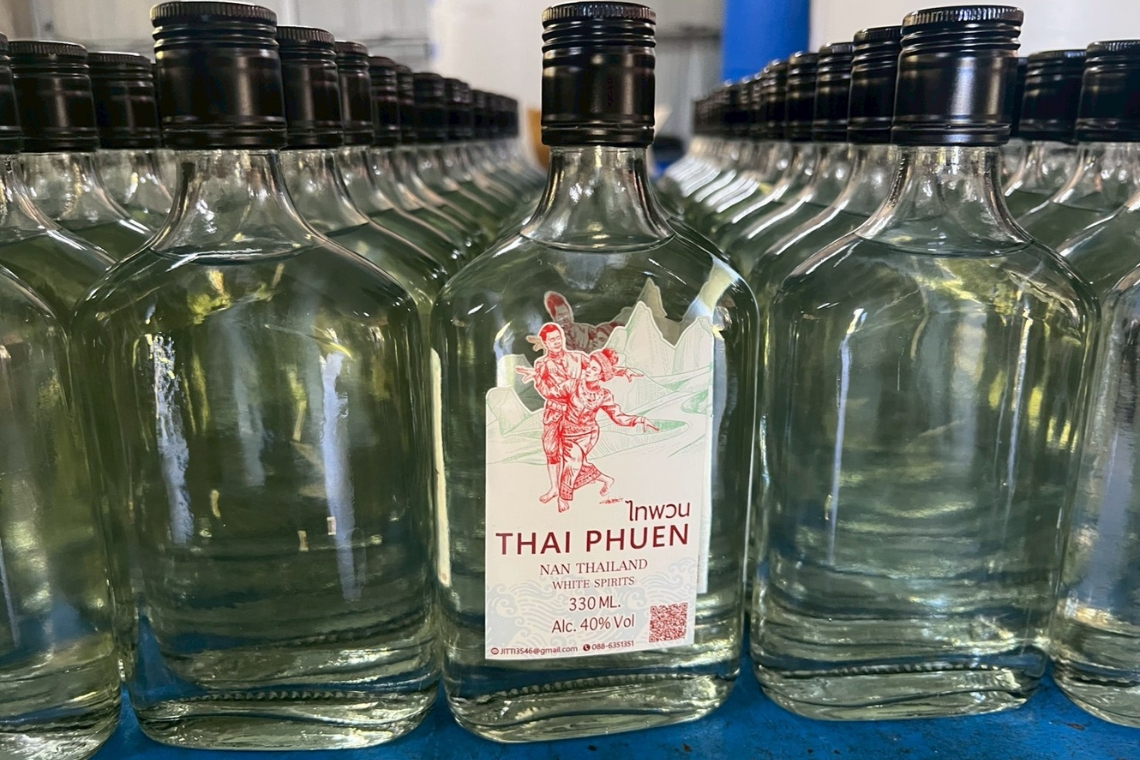
Not only paintings on walls.
Sometimes art is a glass bottle that holds:
community knowledge,
ethnic heritage,
design choices that mean something,
and a future that feels possible for local producers.
In that sense, the idea of “progressive local craft” stops being a slogan and starts becoming something real—something that moves forward with people, not past them.
If You Pass Through Wiang Sa…
When you visit Wiang Sa, don’t rush through. Stay curious.
Ask about the harvest. Ask about the people behind it. Ask how a local ingredient becomes a finished craft—how a granary becomes a bottle, and a bottle becomes a story.
Because sometimes a single bottle doesn’t just contain a drink.
It contains a place—its land, its labour, its patience—and the belief that local value can keep growing, year after year.
Thai Phuan (Tai Phuan Local Spirit)
Lai Nan Subdistrict, Wiang Sa District, Nan Province
“When harvest is distilled into craft, it becomes the kind of art that doesn’t expire.”
0886351351 (Pod Tai Phuan)


