Maker, Musician, Keeper Master Arunsin Duangmun
1221 Views |

If Nan were a sound in the middle of that hush between a quiet mountain and the slowing curve of the Nan River, it would probably come on strings.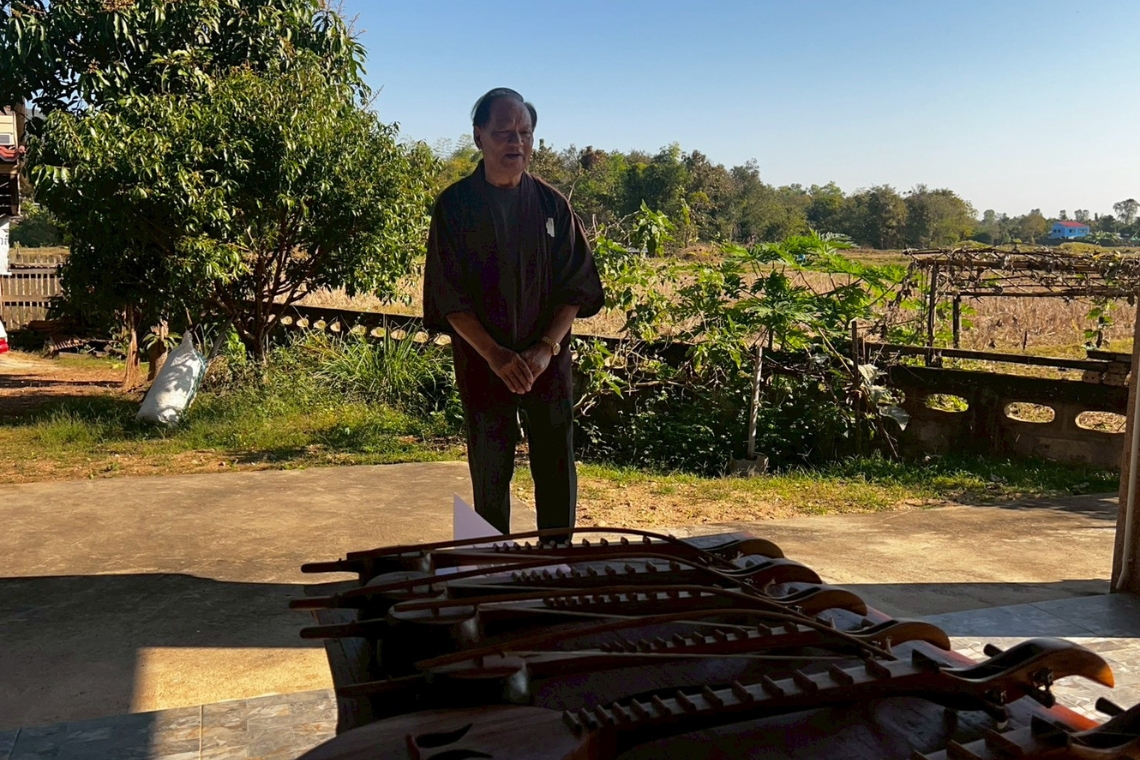
So in 2026 when the world’s powered by speed and speed on, Master Arunsin Duangmun continues to take a seat in wood and time still. He doesn’t rush. He doesn’t outsource the soul of the work. He assembles a salor (a Northern Thai fiddle) slowly, with his own hands, not simply because it is his craft but because it is the promise he once made: to prevent Nan’s musical voice from turning into silence.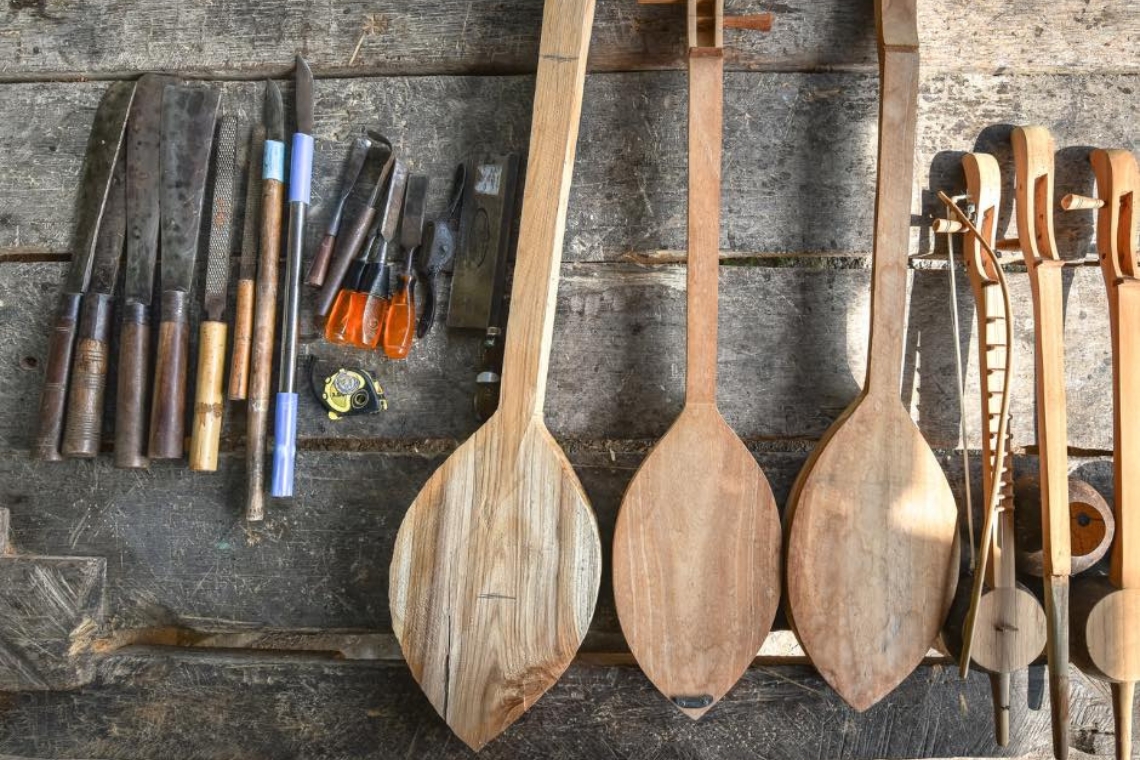
Hands That Can Read Wood
As a maker, Master Arunsin is not just “someone who builds instruments.” His process doesn’t start with glue or nails. As it starts, with selecting the right wood through decades of experience that machines or templates are not able to replace.
He makes salor and pin (a Northern Thai plucked lute) at every step: choosing materials, shaping each section, tuning through ear with a precision that feels nearly intimate. Each instrument isn’t an object just its part. It is a live craft crafted to hold sound the same way a good story holds significance.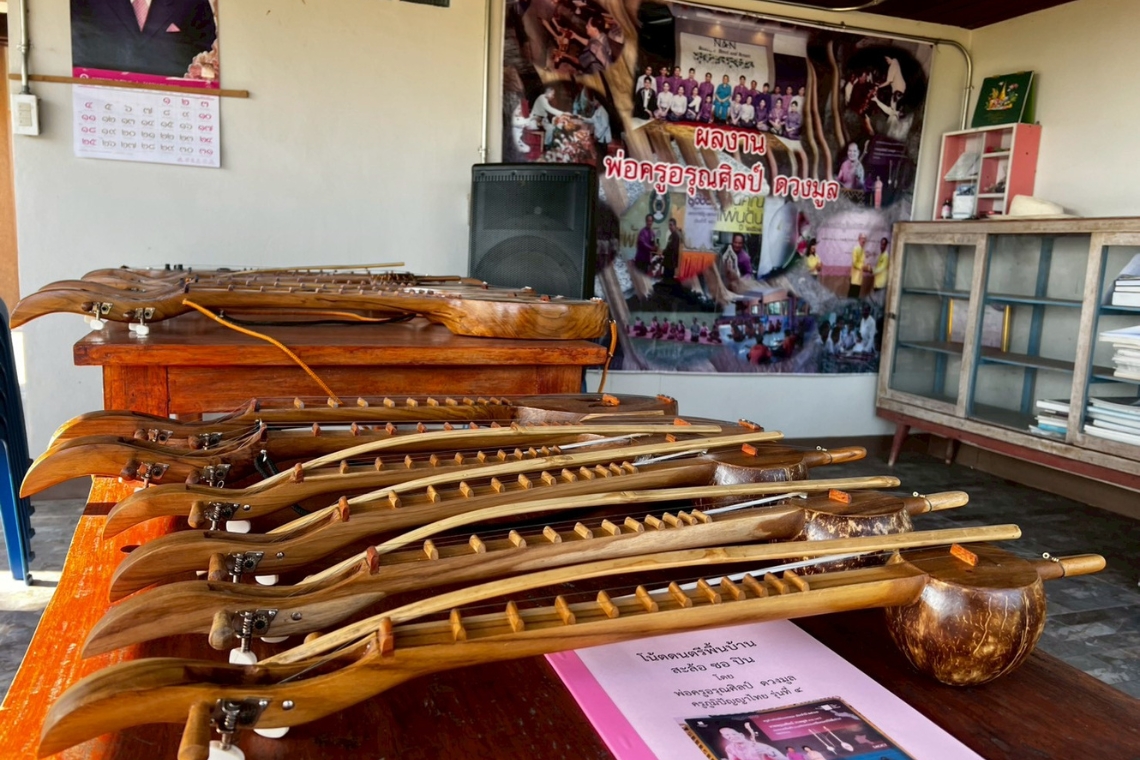
When The Instrument Becomes Music
Once an instrument is finally completed, Master Arunsin moves on to another role: the musician who wakes the instrument up.
As a steward of local repertoire, he bears songs that are increasingly rare to catch today melodies of places, seasons, and ordinary life, songs that belong to places, seasons, and everyday life. Pieces like Dad Nan, Lap Laeng, Pan Fai, and Phra Lor Dern Dong aren’t just “traditional music.” In his hands they’re memory: love, pride, longing, humor, Nan’s rhythm and strings.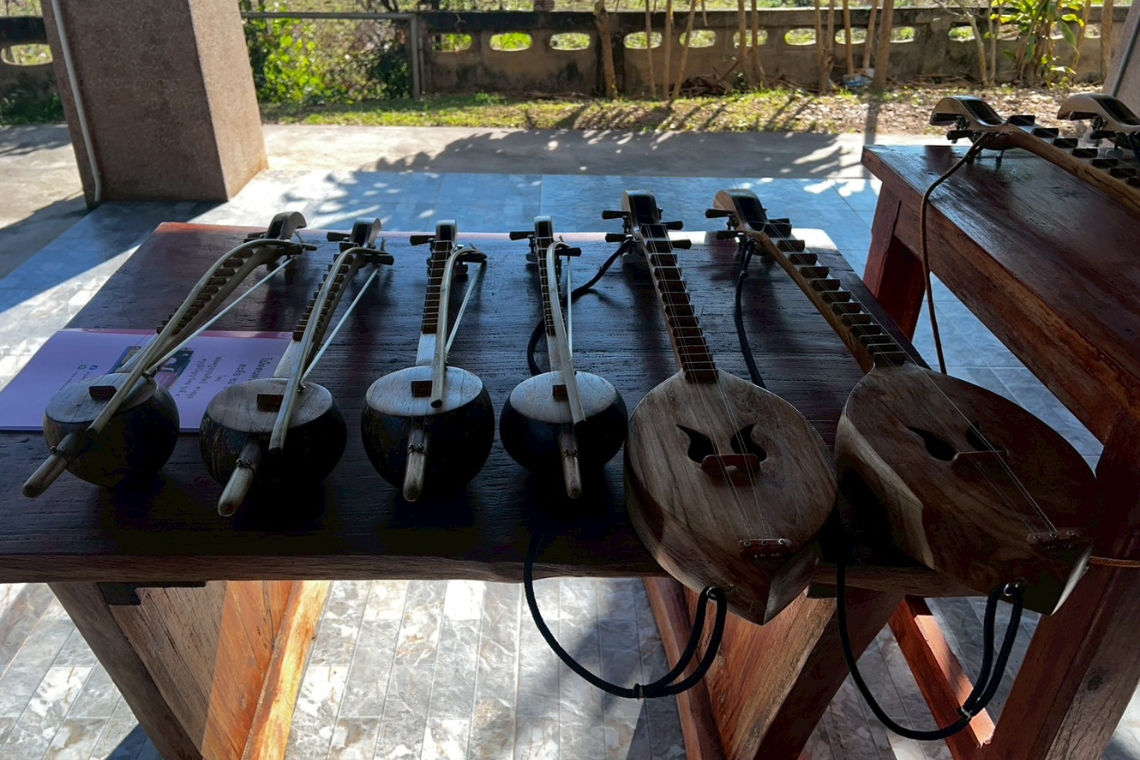
You can sense it in the way the notes shift: not as a performance for applause, but storytelling that still maintains a sense of where it is coming from.
A Promise That Stays a Movable Tradition
The role that counts most, however, is the one that Master Arunsin keeps quietly: keeper.
At the urging of Master Khamphai Nuping, Thailand’s National Artist, he joined Khamphai’s Sor Ensemble of Nan in 1994. Prior to Master Khamphai’s passing he had entrusted Master Arunsin to maintain beyond any one performance what was greater and more continuing — both to do with continuing the ensemble, to do with maintaining the lineage.
Today, Master Arunsin is a link between a revered past and a living present. In Bo Suak creativity is not only evident in textiles or bamboo craft it is audible. It’s the sort of sound that complements a painting of a creative city: culture that doesn’t keep up behind glass but can live in real-time.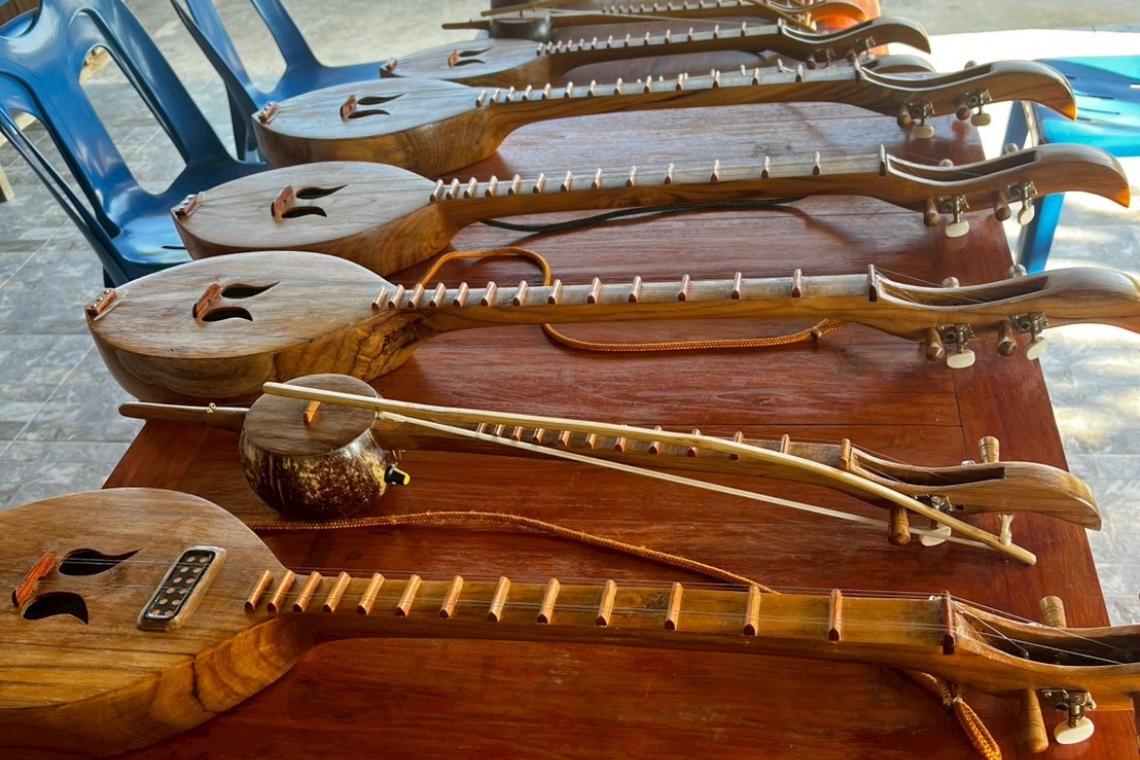
Listen for the Sound That’s Alive Yet
If you find yourselves visiting Bo Suak Subdistrict in Nan, don’t only visit for the scenery. Try to find Master Arunsin. Watch him shape an instrument. Sit with him and listen.
You may walk away with something more than a melody in your head. You may leave with a quiet type of relief — knowing that some cultural treasures are still kept, made and passed on by a figure who won’t let them vanish.
Contact
Master Arunsin Duangmun (Bo Suak, Mueang Nan, Nan)
For instruments and performances: 081 952 8934


