Dream Pangjai and a 700-Year pattern in Bo Suak
1106 Views |

In Bo Suak, the loom doesn’t simply create sound it keeps time. At Ban Sao Luang Weaving House, you hear wood tapping, threads tightening, a shuttle gliding back and forth. It’s a kind of rhythm that doesn’t hurry itself.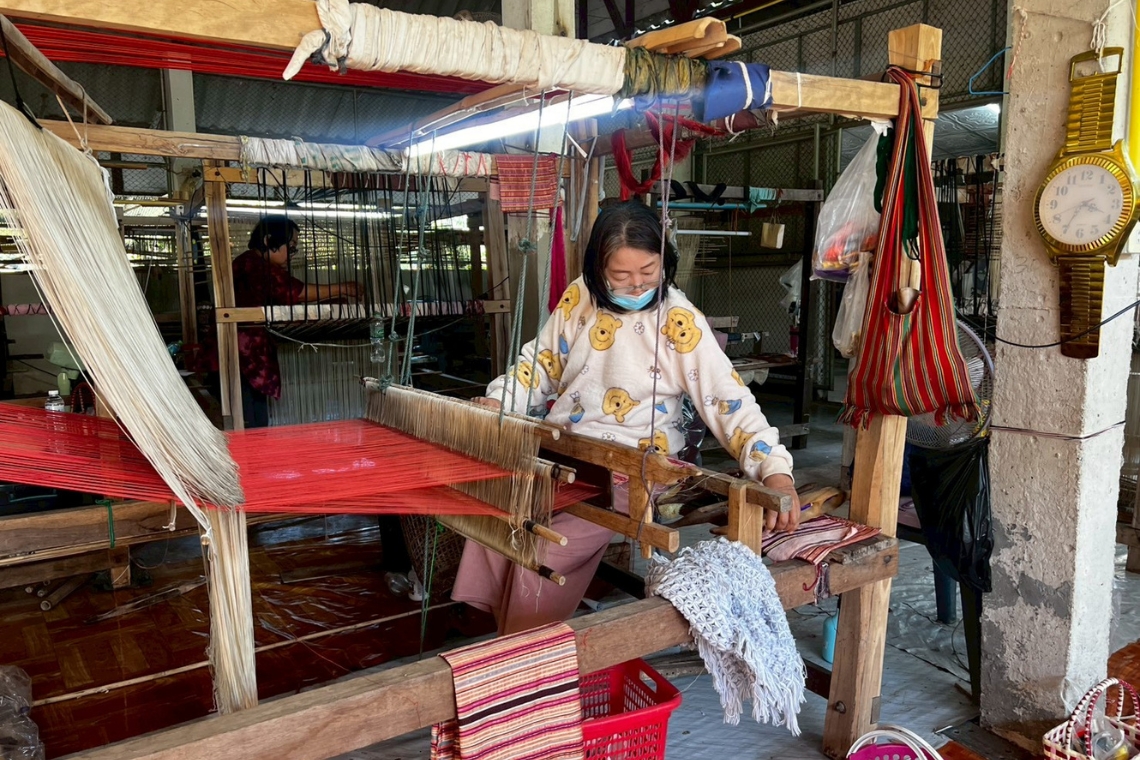
And somehow, it feels less like a workshop and more like a conversation between a young man named Dream and the many hands that came before him. Dream could have left.
Most people his age do. But he stayed, returning to the loom he’s been around since he was six, choosing a different future: one where Nan’s heritage is not just something you read about, but something you can wear, touch, and live with. 700-Year Line Pattern, Reborn. 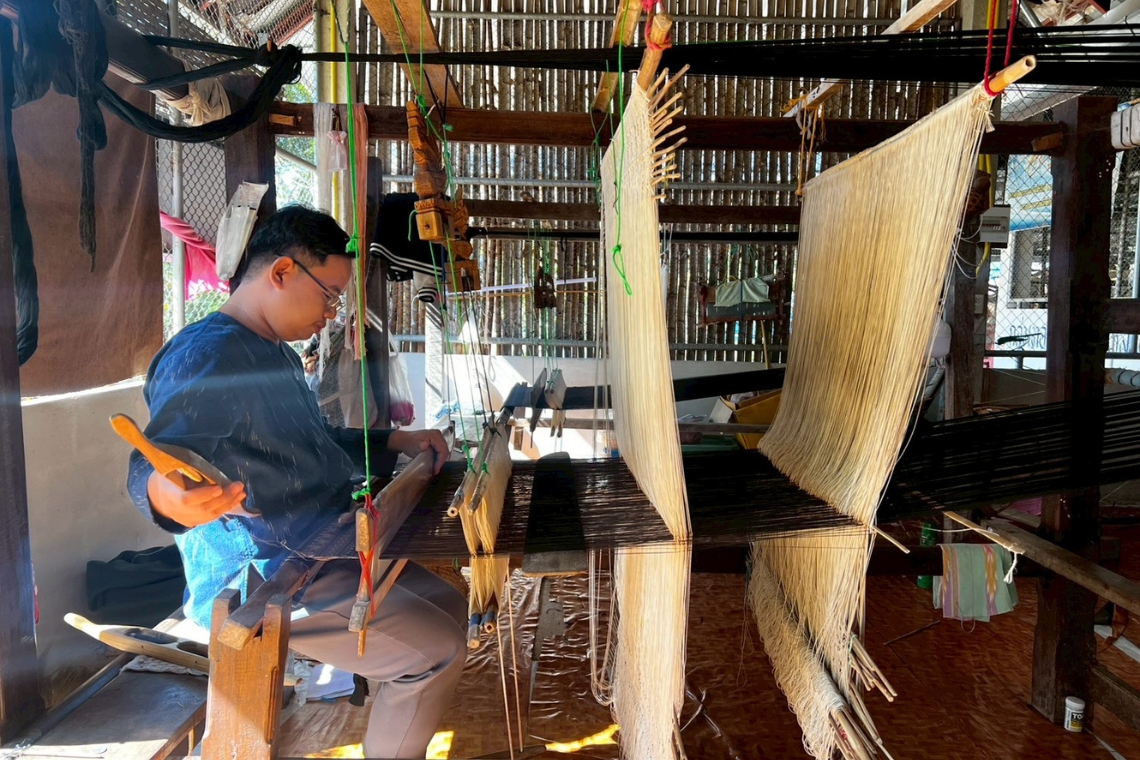
Bo Suak has ancient kilns ceramics that once carried a distinct motif called Lai Pak Hai, a line pattern etched in earthy tones. The original lines lived on clay, buried under the ground, and dated back over 700 years. Dream looked at that pattern and asked a simple question: What if it didn’t stay on pottery? So he brought it onto fabric thread by thread until the same terracotta rhythm reappeared as woven cloth, quiet, elegant, and unexpectedly modern. 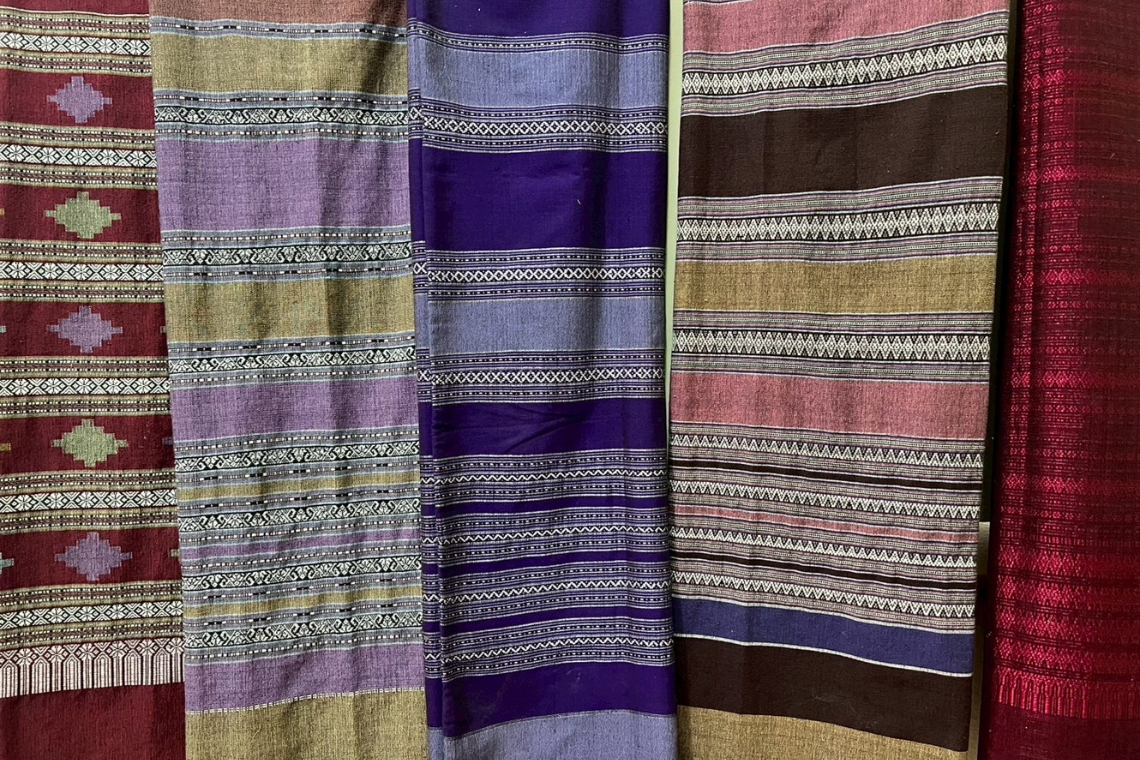
This is not “heritage” as a museum label. It’s heritage as something you can fold, drape, and step out the door in. Not Just a Weaver. Step away from the loom and you’ll find Dream in other forms of the same story. He dances Fon Ngaen, sings Sor Long Nan, and takes part in local ceremonies like Bai Sri Su Kwan. For him, these aren’t separate talents.
They’re all part of one life one cultural language moving through different gestures. If you listen closely, you start to understand what his textiles carry: not only pattern, but rhythm. Not only design, but voice. A Living Craft, Not a Frozen One. Dream’s work is also teaching. He leads at Ban Sao Luang, shares knowledge of natural dyeing, and joins projects that help Nan’s craft speak to the wider world.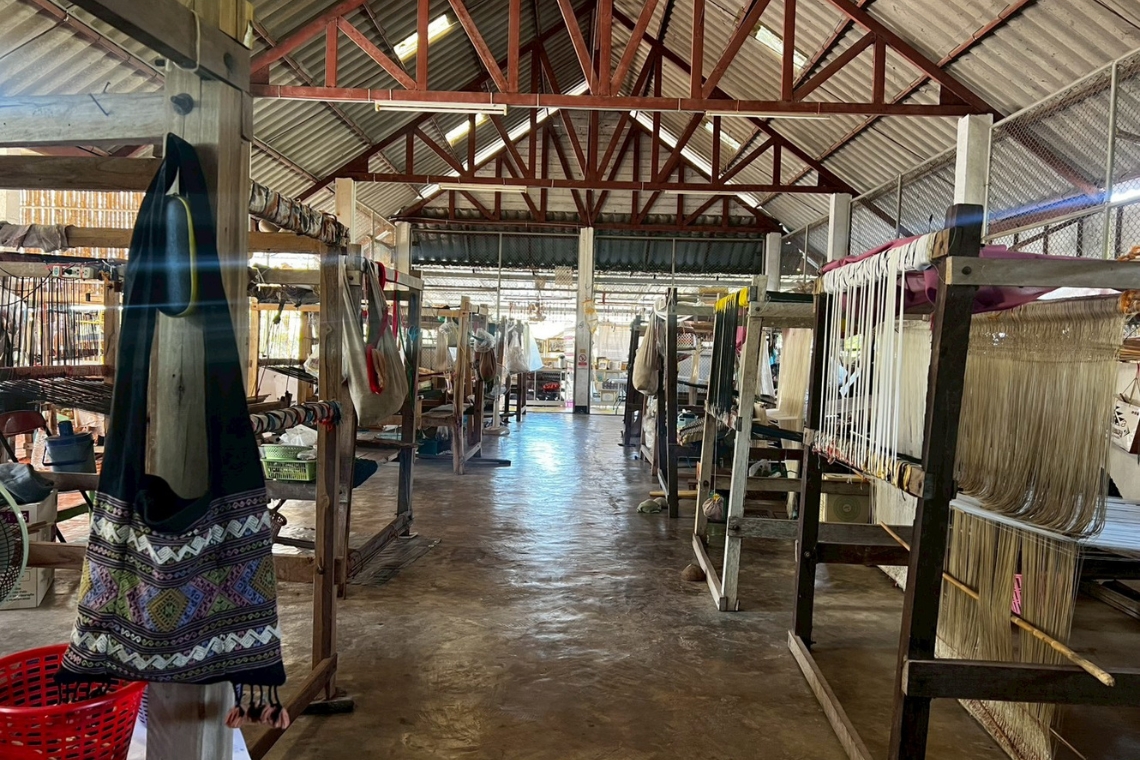
And that might be the point: tradition doesn’t survive by being kept perfectly still. It survives when someone young feels free enough to interpret, experiment, and continue without losing respect for where it came from. Visit Bo Suak, Meet the Story. Come to Ban Sao Luang Weaving House in Bo Suak, and you’ll meet Dream and the local women’s group who weave with the ease of people who have done it all their lives. 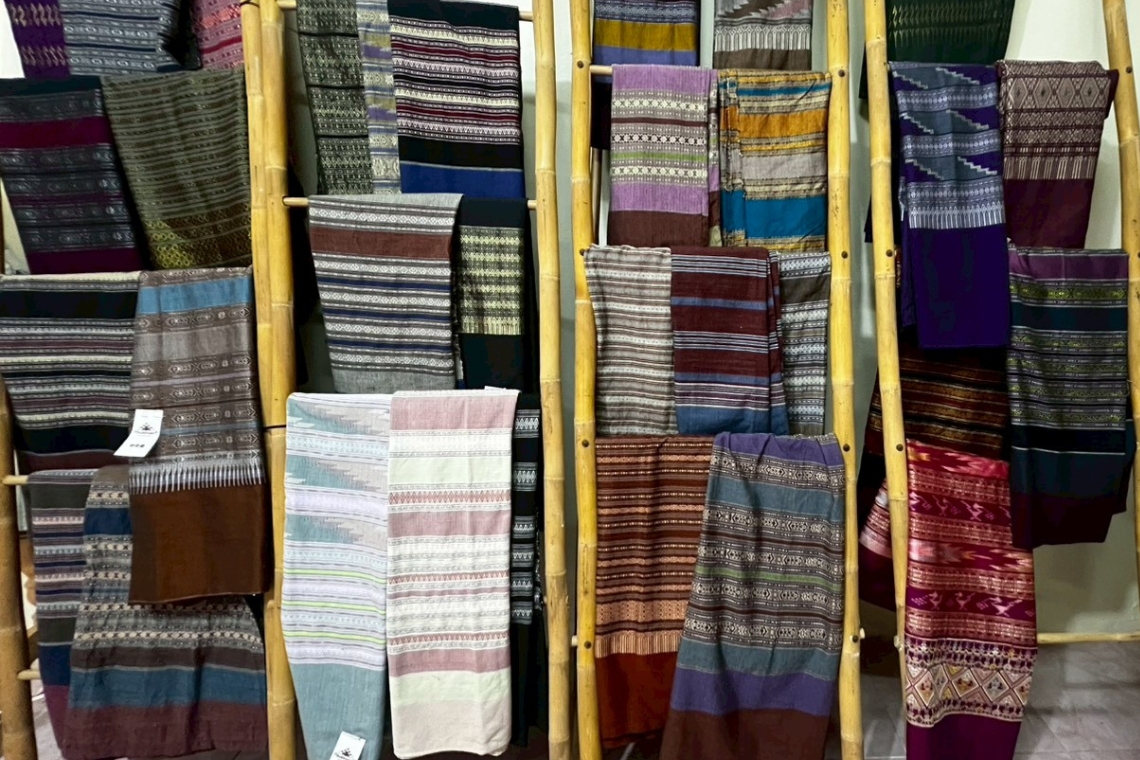
Sit down, learn about natural dyes, try weaving a Bo Suak pattern yourself — and you’ll leave with something rare. Not just a textile, but a feeling: that 700 years can fit into a single piece of cloth — and still feel like the beginning of something new. Ban Sao Luang Weaving House (Bo Suak, Nan). Tel. +66 61 316 0733 (Dream)


