Youth Paddlers the Spirit of Nan Traditional Boat Racing
1489 Views |

If the Naga-headed boats in the museum are static archives of the past, the water splashing at Nong Nam Khrok on March 1, 2026, is a living record of the present. During the celebration of Phra That Chae Haeng, the whistle signifies more than the start of a 12-paddler race; it marks the graceful continuation of Nan’s river-based way of life. For this year’s competition, beauty is found not only in speed but in the energy of the new generation bringing the water back to life.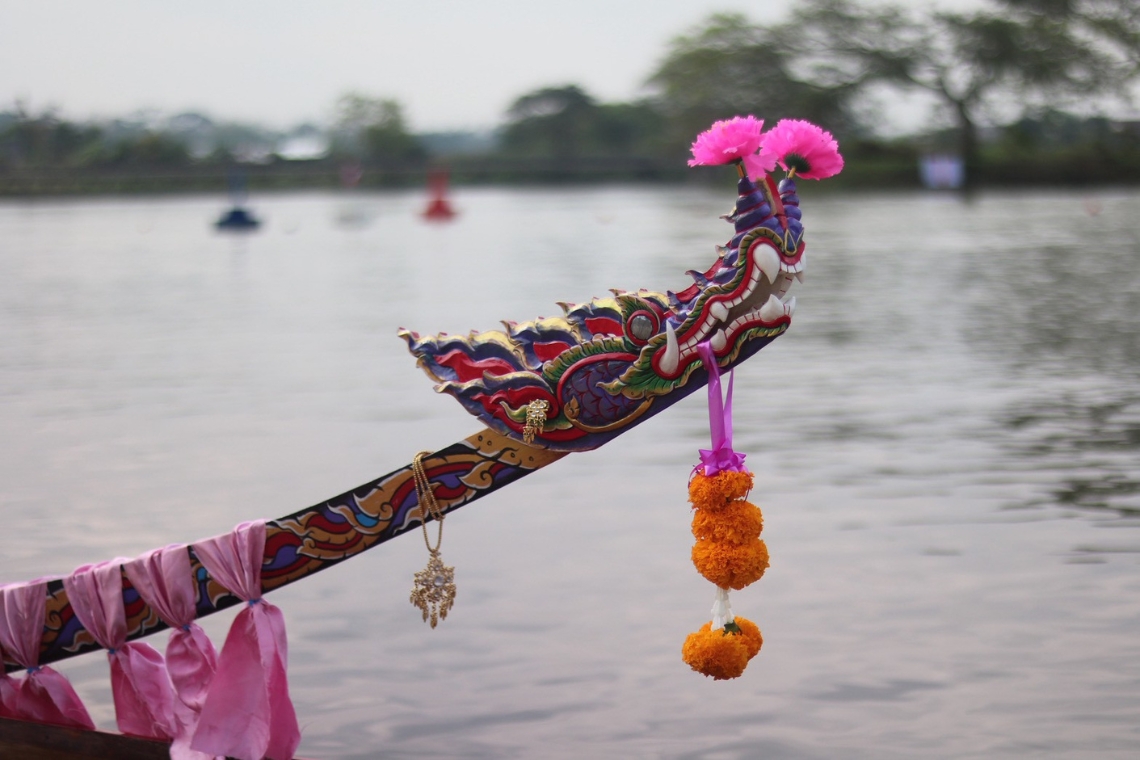
Architecture in Motion The 12-paddler boats, though small, are rich in identity. Featuring the unique Naga head and Swan tail design, they appear powerful and agile as they glide across the water. For the people of Nan, boat racing is a form of spiritual offering to the Phra That Chae Haeng. Every stroke of the paddle is an act of faith, aimed at bringing good fortune to the community.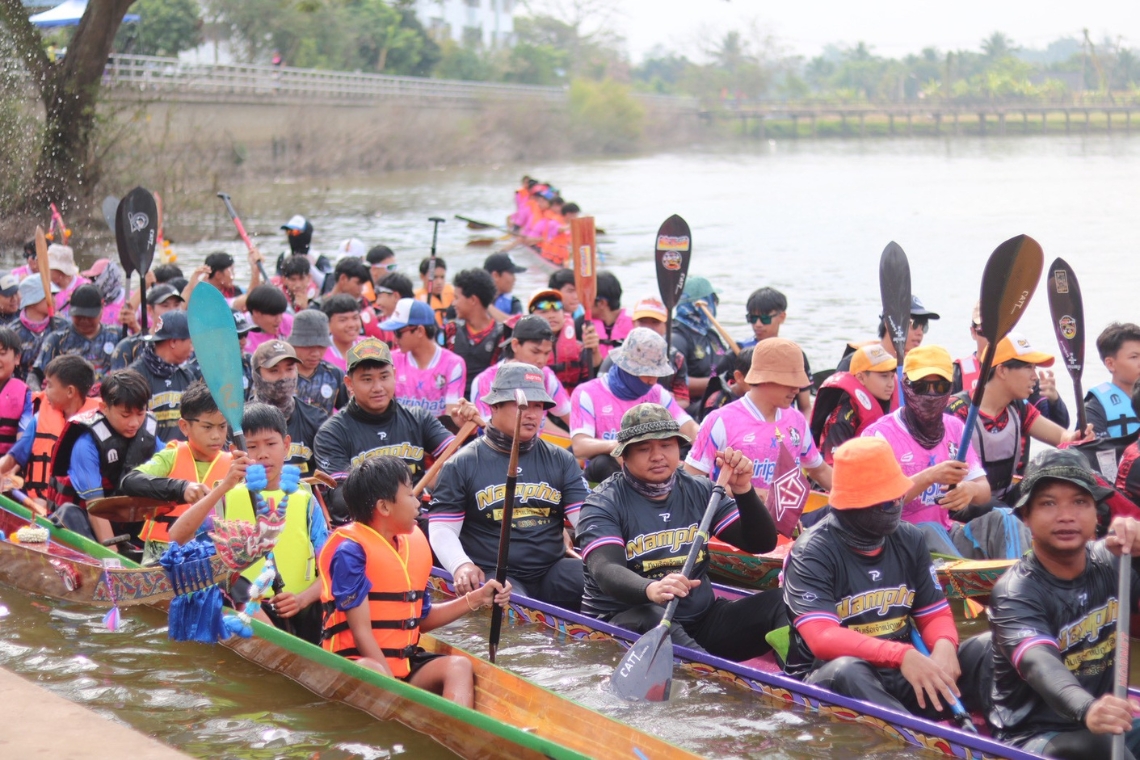
From Training to the River The Power of Youth The highlight of this year’s competition is the involvement of the younger generation. Many of these young athletes have spent months training with boat simulators, refining their techniques and physical strength. Now, they have transitioned to real wooden boats to compete in the youth category.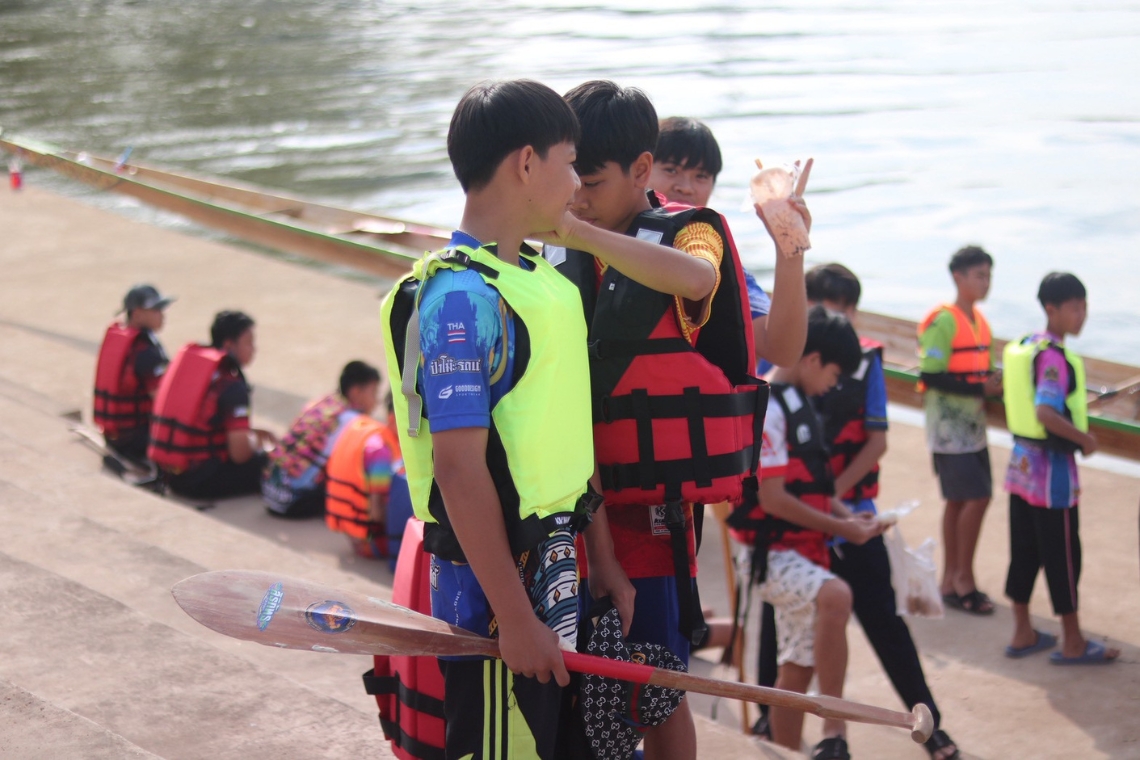
This strategy of bringing prepared athletes to the river is a smart way to preserve culture:
Precision: Paddling rhythms are maintained according to ancient traditions.
Professionalism: Applying international competition standards shows the youth that local traditions and professional sports can go hand-in-hand.
Continuity: By providing a fun and challenging arena, the passion for Nan boat racing remains ignited in the hearts of the next generation.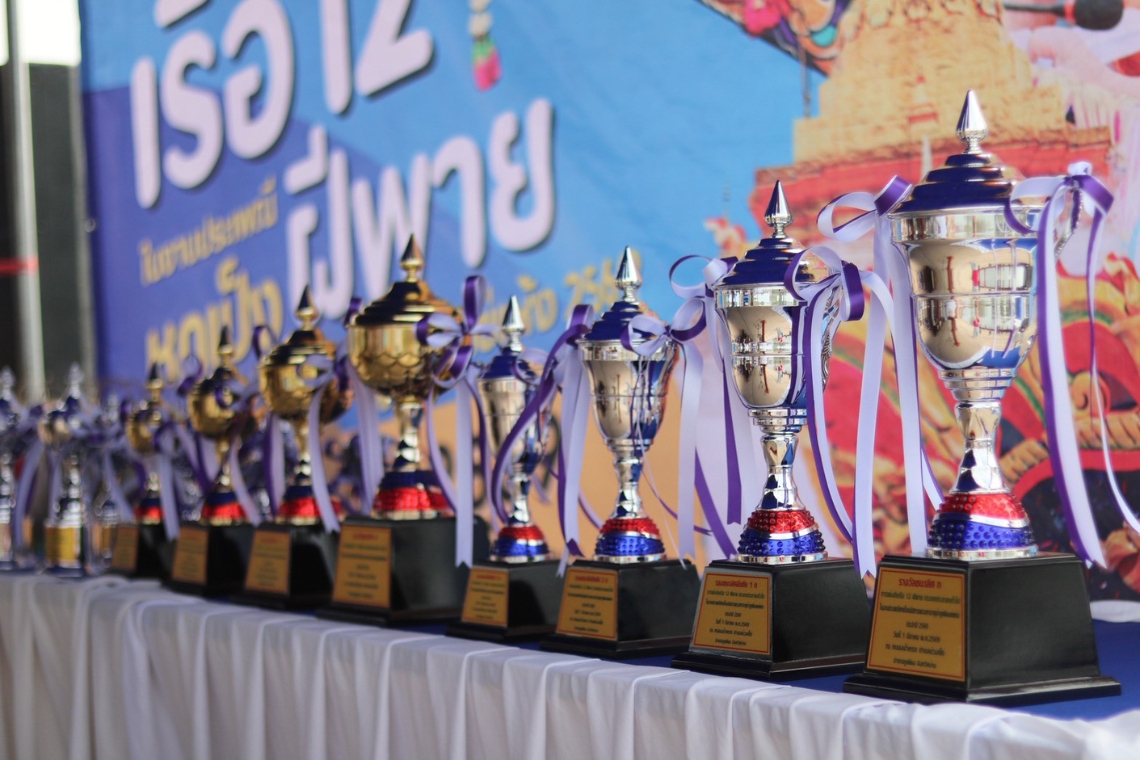
A Rhythm That Never Ends As part of the activities retracing the legend of Phuphiang, the sight of these small boats carving paths through the water proves that Nan’s culture is not confined to history books. When the race ends, the trophies may sit on a shelf, but the lasting victory is the sight of young paddlers returning to shore with pride. They now realize that the melody left by their ancestors is still playing powerfully in their own hands.


