Iu Mien Embroidery A Chronicle Written in Thread, Stitched by Heart, Passed On by Fingertips
284 Views |

In a world where online feeds refresh faster than we can remember, an official announcement 28 new items added to Thailand’s Intangible Cultural Heritage list could easily feel like just another headline in 2026.
But for the Iu Mien (Yao) people, it means something else entirely.
It is a pause in time. A public recognition that the “language” they have written with needle and thread for centuries is now honoured as a national cultural treasure. And if you put your phone down and truly look at a piece of Mien embroidery, you’ll see it’s not simply geometric decoration—it’s a living record that no algorithm can erase.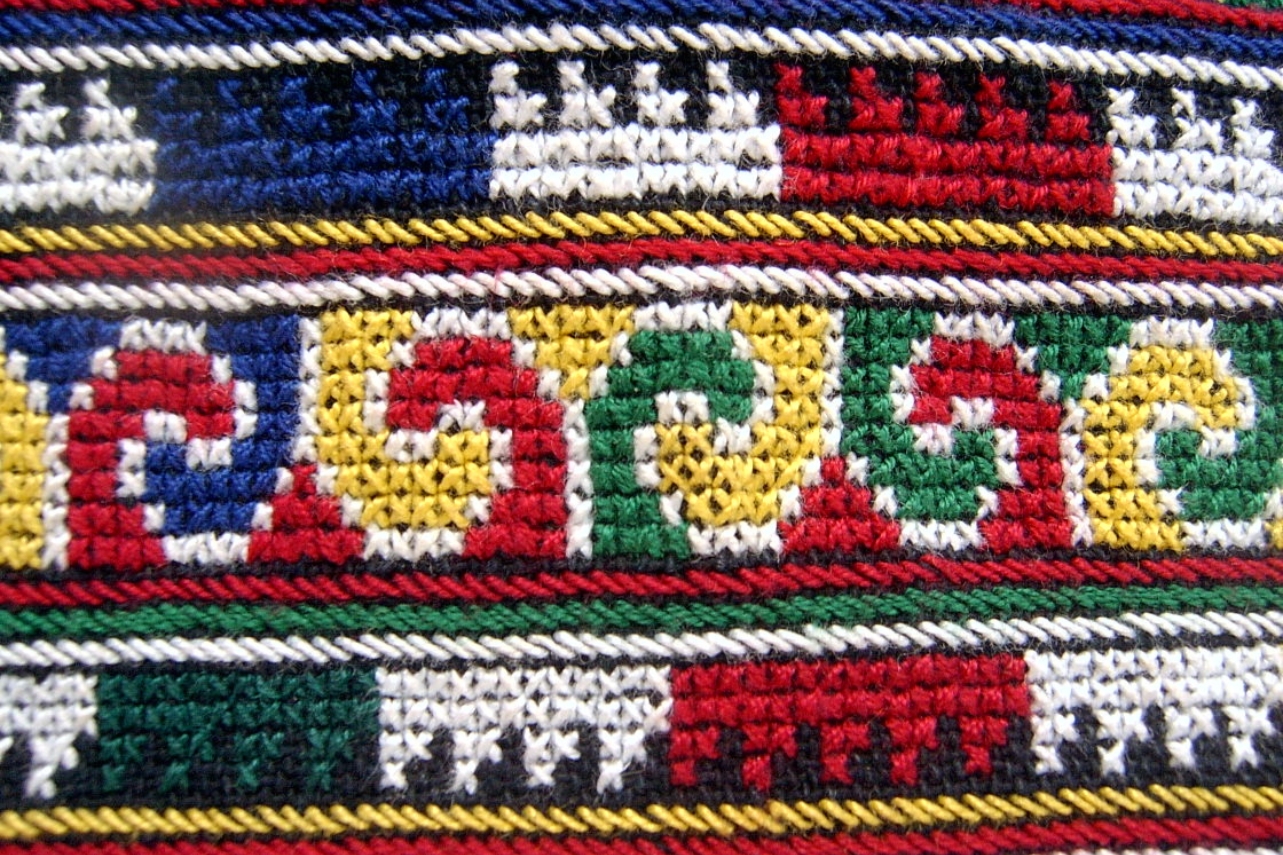
The Signature Technique: Stitching From the Back
The most distinctive magic of Iu Mien embroidery is how it begins: the cloth is turned face-down, and the embroiderer works from the back side up to the front.
Imagine writing a diary without seeing the page—guided only by touch, memory, and rhythm. Mien artisans often hold the upper side (the back) with the thumb, while the other fingers support the front, sensing exactly where the needle will emerge. There is no printed pattern to trace—only a blueprint held in the mind and heart, built through years of practice.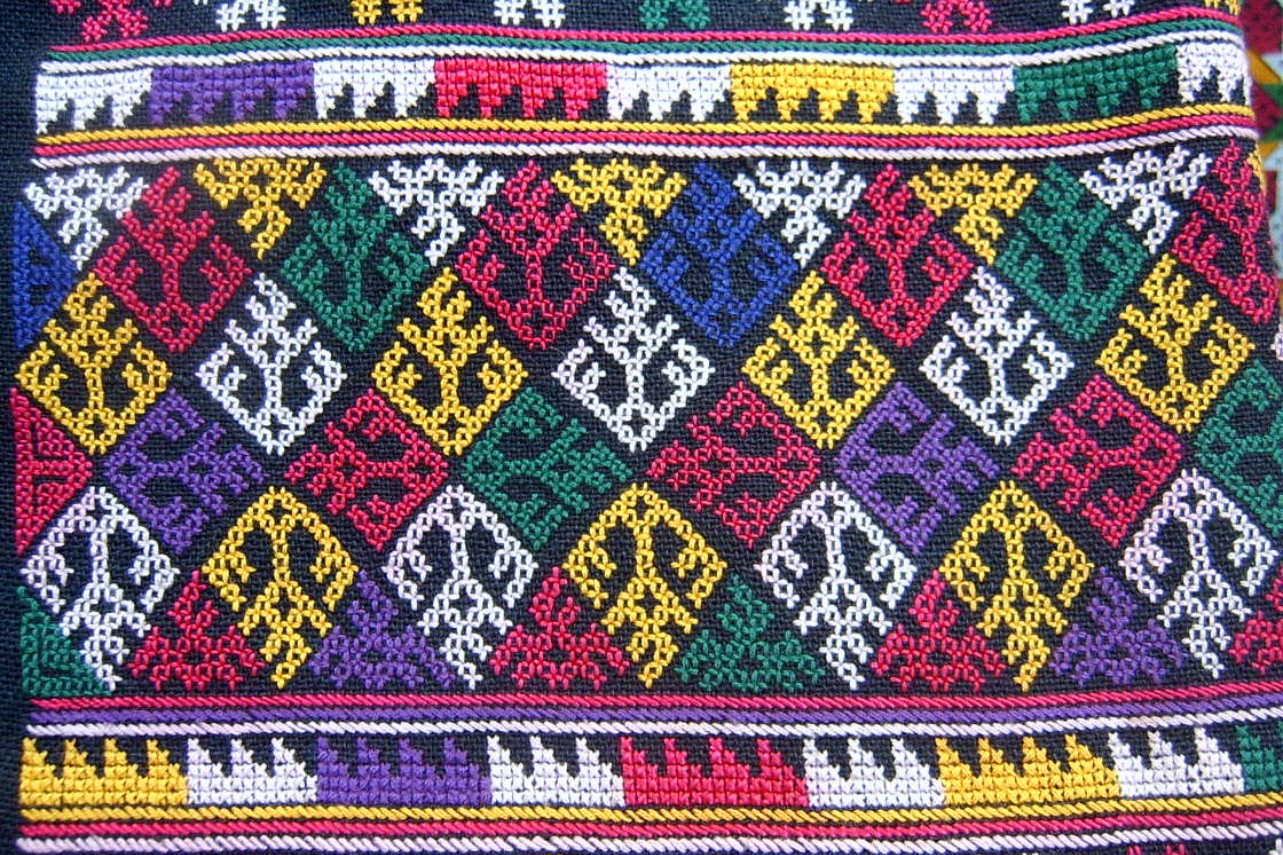
Four Core Stitch Styles, Each With Its Own Identity
In Iu Mien embroidery, beauty has structure. Many artisans describe the craft through four fundamental stitch approaches—like the basic vocabulary of their textile language:
Yiu (Line Stitching)
A foundational technique where the front and back sides do not look the same, forming the “root lines” of a pattern.
Chong Kiam (Interlaced Stitching)
A method inspired by weaving, often done in a single colour to highlight sharp, clean precision.
Chong Thiu (Cross Stitching)
A technique where front and back appear the same—perfectly balanced, reflecting the maker’s discipline and accuracy.
Chong Dab Yab (Diagonal/Cross-Weaving Stitching)
A more complex combination of colours and motifs, layered until it becomes a richer, more detailed story.
Before the Needle: When the Spindle Starts Turning
Before any pattern appears, thread must be prepared. Yarn is often refined using a spindle (known locally as taluae) to keep it smooth, even, and free from fuzz.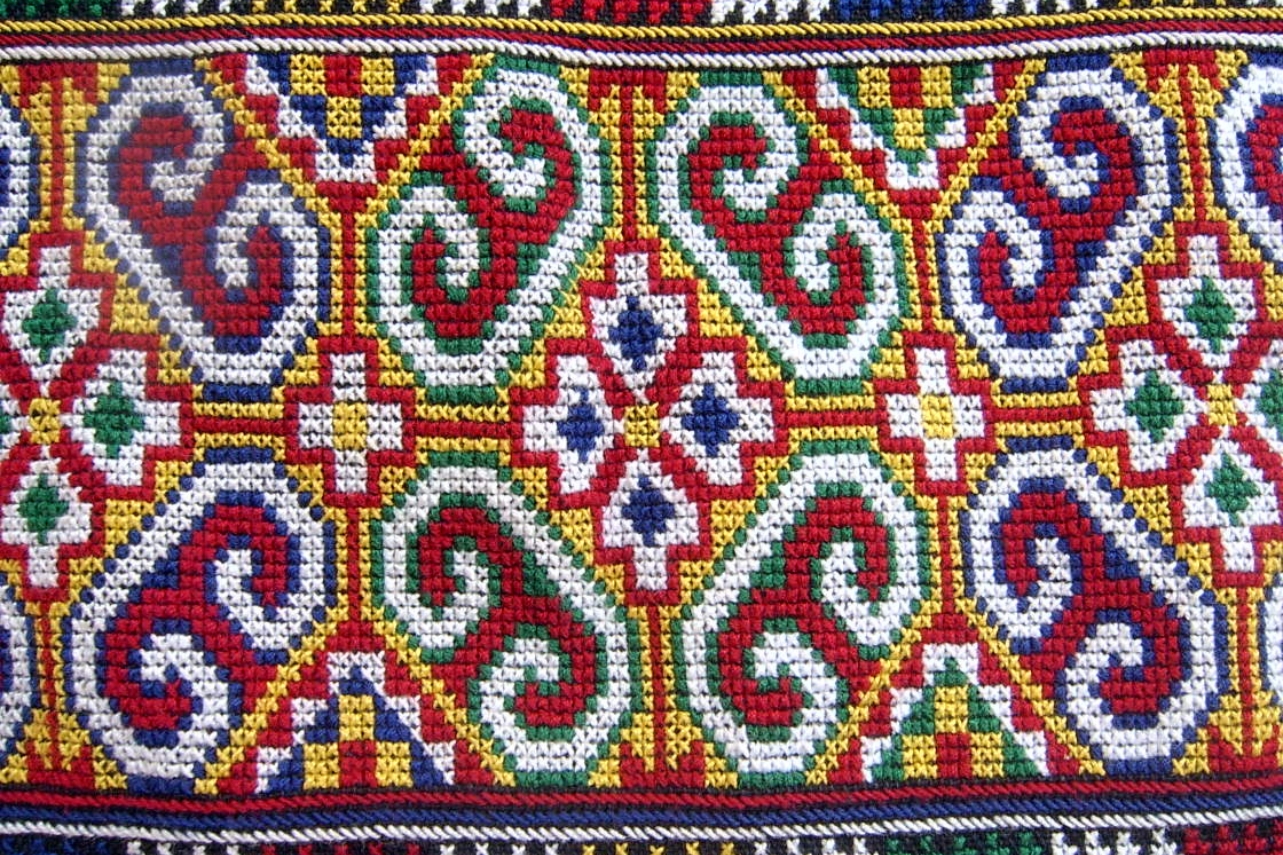
Colour, too, follows quiet wisdom. Many Mien artisans start with darker colours first, then move to lighter tones, reducing the risk of staining—an approach that reveals a careful mindset: plan ahead, protect the work, and respect the process.
Why This Matters for Nan Today
As Nan moves forward as a creative city, Iu Mien embroidery is no longer only ceremonial clothing. It becomes a powerful creative asset—a cultural strength that carries identity, technique, and pride.
To see a young Mien girl learning patterns from a master teacher—spinning thread, remembering stitches, practising patiently—is to see proof that this heritage is still alive. The fact that it is honoured nationally in 2026 only reinforces how strong Nan’s cultural foundation truly is.
A Small Invitation
Next time you encounter Iu Mien embroidery, take a moment. Look beyond the front. Turn the cloth over and study the back. Then you’ll understand: this kind of beauty is built with astonishing patience—and precision you can feel, even before you can explain it.


