Nan Creative City Strengthens Creative City Cooperation in Jinju
560 Views |

Nan Creative City Strengthens Creative City Cooperation in Jinju
When two creative cities meet, the exchange is not only about policy or formal cooperation. It is also about how a city designs learning spaces, how craft knowledge is passed from makers to the public, and how local culture can become a long-term force for urban development.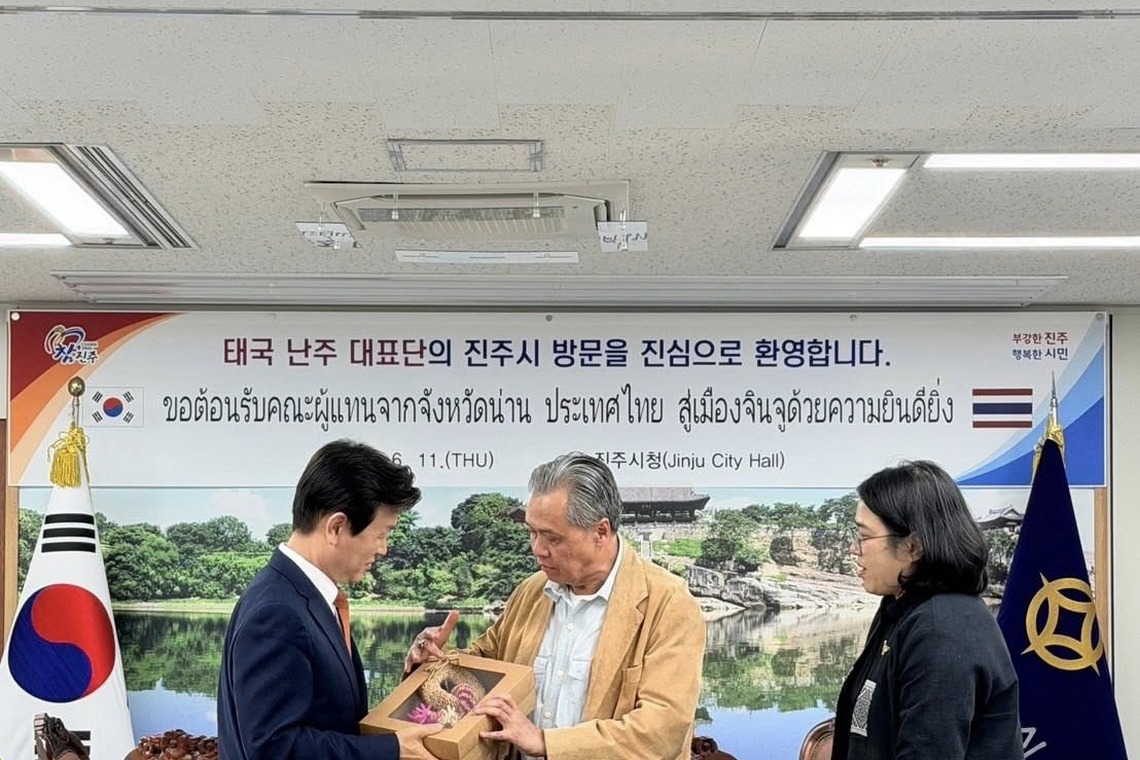
On 11 June 2026, representatives of Nan Creative City joined a study visit and the International Academic Forum in Jinju, Republic of Korea. The Nan delegation was led by Mr. Banthoon Lamsam, Honorary Chairman of Kasikornbank Public Company Limited; Dr.Phimonphan Sakitram, Director of Nan Community College and Focal Point of Nan Creative City; Assoc. Prof. Dr. Witiya Pidtangnapo, Deputy Director of UCCN for Craft and Folk Art; together with representatives from Nan Province.
The visit aimed to exchange knowledge on creative city development, with a focus on crafts and folk art, the field in which Nan was designated as a member of the UNESCO Creative Cities Network in 2025. Jinju is also part of the network in the same creative field, making this exchange a meaningful opportunity to learn from another city that connects craft, education, culture, and civic development.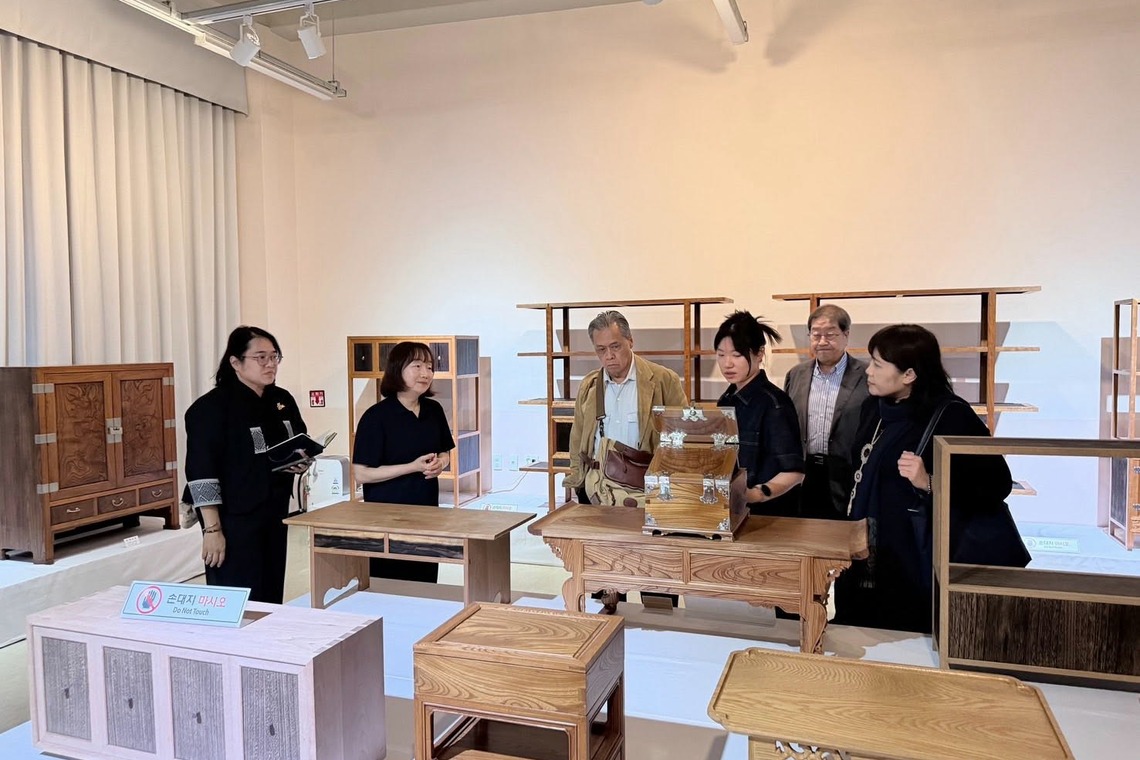
Craft as a Public Learning System
One of the key sites visited by the Nan delegation was Jinju Wood Craft Center. The center is not only a place to display woodcraft. It functions as a learning space where knowledge from skilled makers and local experts can be transferred to the wider public.
A notable aspect of the center is its flexible course design. Programs range from short sessions of around two hours to longer courses of up to three months, depending on the form and complexity of each craft object. This approach helps make craft more accessible. It moves craft knowledge beyond museums or specialist circles and turns it into a skill that people can try, practice, and understand through direct experience.
For Nan, this offers an important reference point. Nan?s craft ecosystem is rich with textile traditions, silverwork, basketry, woodcraft, paper craft, local materials, community stories, and makers from different generations. Designing accessible learning spaces may become one way to keep these cultural assets active in contemporary life.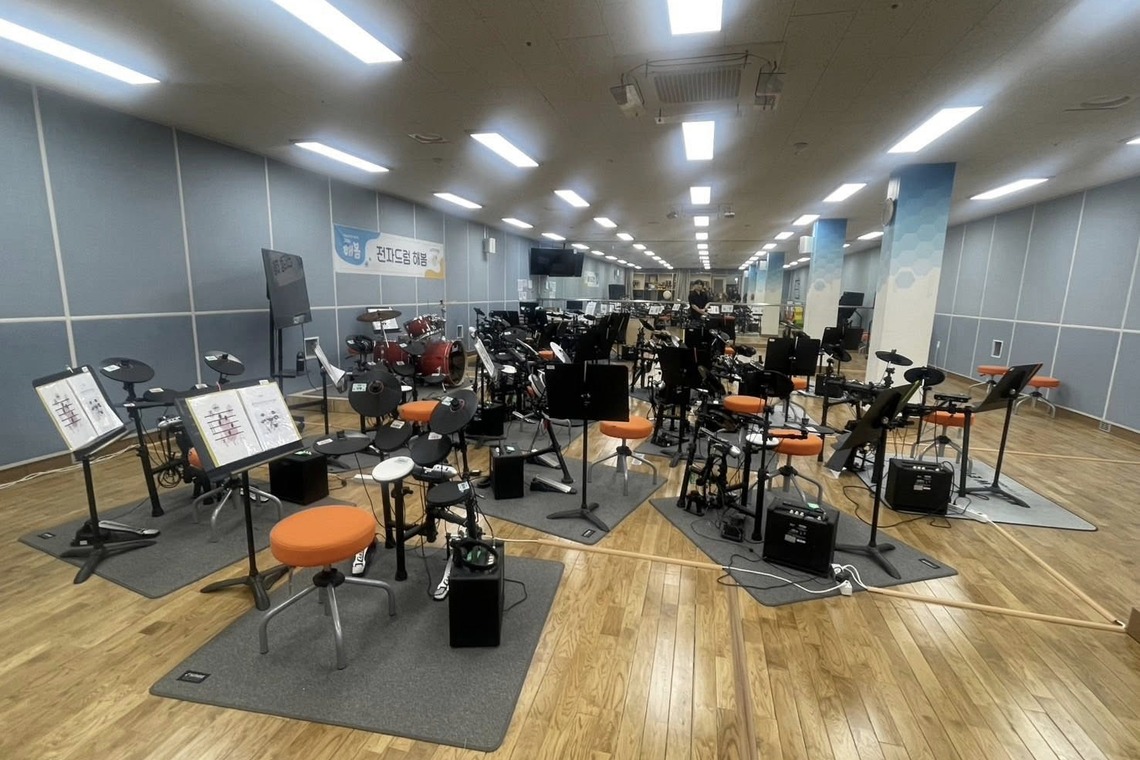
Art, Music, and AI for the Next Generation
The delegation also visited an Art Education Center where children and young people can learn local music, contemporary music, creative arts, and new technologies such as AI. The center shows how a creative city can support young people by allowing them to connect cultural knowledge with future-oriented tools.
This is a key message for cities working with heritage today. Preserving culture does not mean separating the past from the future. It means giving young people room to experiment with what they inherit from their communities and reinterpret it through the tools of their own time.
When folk arts, music, and technology are placed within the same learning environment, young people do not only develop technical skills. They also learn how to ask questions, design ideas, and see culture as a creative resource that can continue to grow.
Culture and the Entrepreneurial Spirit
Another stop during the visit was a historically significant village in Jinju connected to families behind major Korean companies such as LG and Samsung. The site reflects how education, community, culture, and entrepreneurial spirit can be part of the same urban story.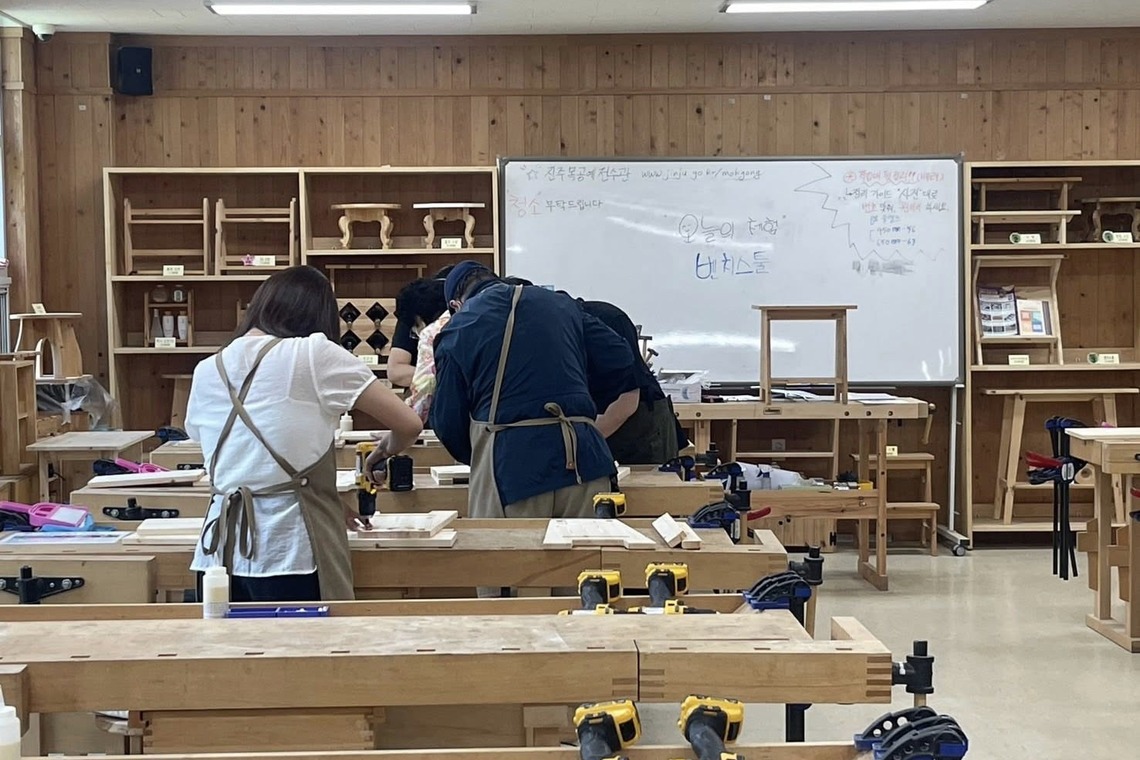
For a creative city, this point is larger than business success. It suggests that a city?s ecosystem can shape how people think and create, from early learning and community identity to the courage to build new possibilities from existing roots.
Nan also holds many cultural assets, from craft traditions and sacred architecture to old-town communities and everyday local knowledge. The challenge is to ensure that these assets are not treated only as beautiful remnants of the past, but as living systems that can support young people, makers, creative entrepreneurs, and learning spaces across the province.
Toward Future City-to-City Cooperation
After the study visits, the Nan delegation met with Jinju city leaders to discuss possible areas of cooperation between Nan and Jinju. The discussion focused on knowledge exchange in crafts, folk art, education, youth development, creative technology, and culture-based economic development.
This meeting marks another step for Nan Creative City on the international stage. A creative city does not grow through designation alone. It grows through exchange, experimentation, and the ability to bring lessons from other cities back into its own local context.
Key Takeaways from the Visit
Craft learning centers can become public spaces where skills are transferred from makers to people of different ages.
Short-term and long-term training programs can make craft knowledge more accessible.
Art, music, and AI can be used as tools to support youth learning and creative development.
Cultural heritage can be connected with creative economy and entrepreneurial thinking.
International cooperation between creative cities can strengthen makers, communities, and future generations.
Why This Matters for Nan
The International Academic Forum and study visit in Jinju offered Nan a chance to observe how another creative city connects craft, folk art, education, technology, and local development.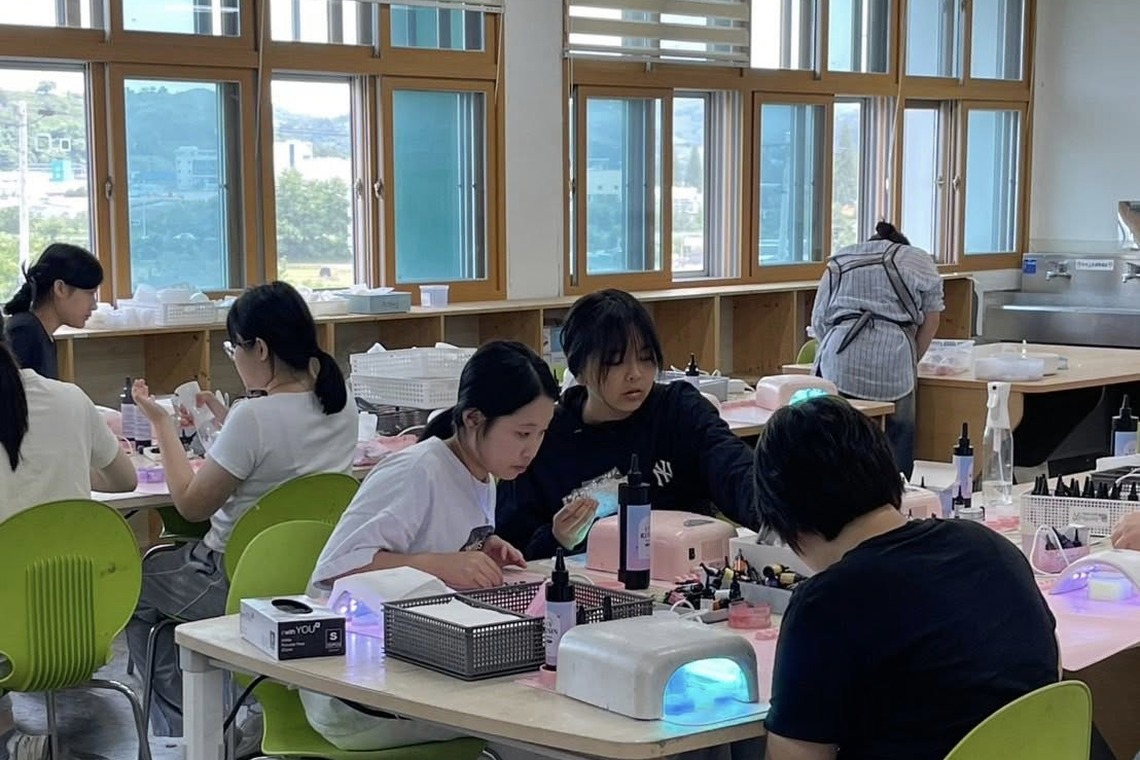
For Nan Creative City, the lessons from Jinju are not a model to copy directly. They are a reference for thinking about what Nan can build from its own context: learning spaces rooted in local craft, programs that allow people to access knowledge, support for young people, and international partnerships that help local creative ecosystems grow.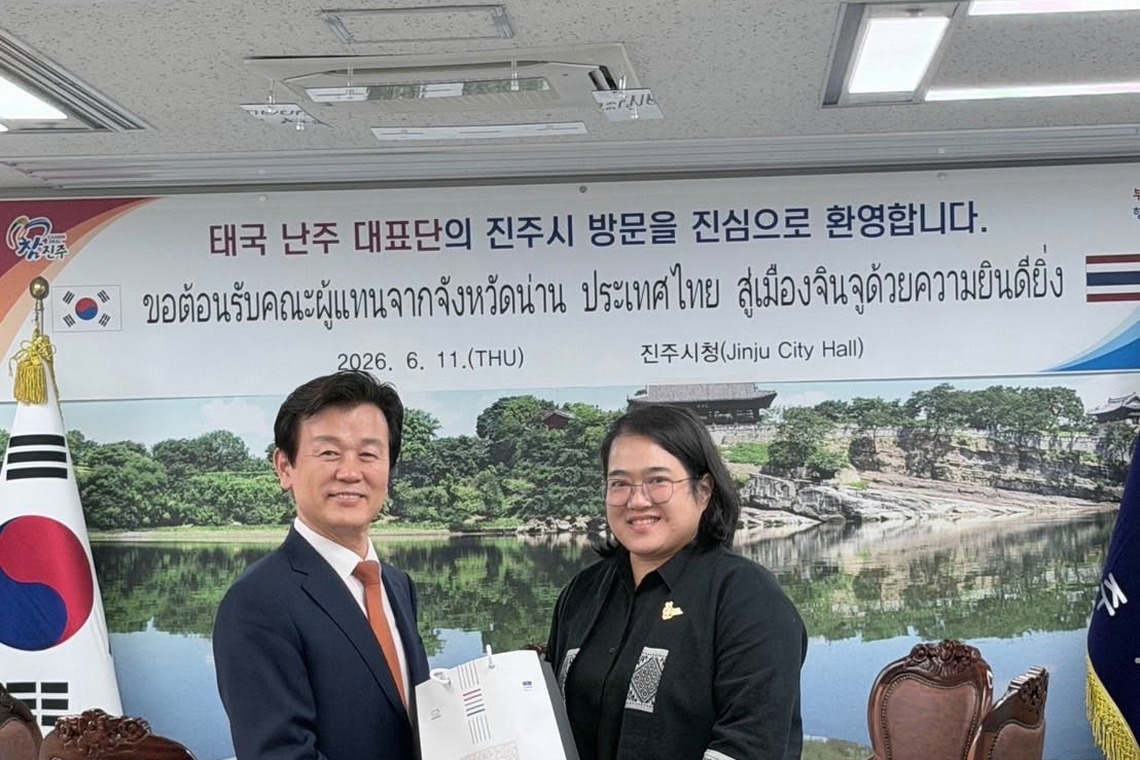
The next step is to bring these insights back to Nan and adapt them carefully. In doing so, crafts, folk art, and local wisdom can become more than cultural heritage to be preserved. They can become part of Nan?s sustainable creative future.


